Cell-based production leans heavily upon a wide assortment of input materials to manufacture advanced biological products.
Maintaining durable supply chain sourcing is paramount for the long-term viability Calcium 2-oxoglutarate and ethical growth of the industry.
numerous problems stemming from established sourcing methods like ecosystem disruption and unsustainable harvesting. Accordingly, manufacturers should embrace green sourcing tactics to shrink their ecological impacts.
- Samples of circular procurement methods cover:
- Leveraging biomass from food-processing residues
- Installing reclamation workflows to diminish waste and heighten recovery
- Forging alliances with neighborhood suppliers supporting green sourcing
Embracing sustainable procurement produces environmental benefits with profitable potential.
Upgrading Feedstock Traits for Better Biofuel Performance
Improving fuel production performance hinges on the attributes of biomass inputs. Analysts tirelessly probe advances to elevate feedstock conversion, creating higher productivity and an eco-friendlier fuel landscape. Initiatives integrate bioengineering to scale biomass production and pretreatment workflows to free fermentable sugars.
- Additionally, researchers are focusing on identifying new sources of biomass, such as algae, waste products, agricultural residues, to expand the range of sustainable feedstocks available for biofuel production.
- Thanks to continuous exploration the sector is prepared to realize considerable strides toward an eco-friendlier energy mix.
Upstream Process Improvements for Modern Biopharma Production
embraces initial workflow stages from growth to harvesting Recent progress has advanced techniques that maximize productivity and increase output.
Meaningful breakthroughs include engineered cell strains, enhanced culture formulations, and modular reactor designs. These developments raise yield and cut costs as well as diminish environmental consequences.
- Furthermore, there is a growing trend towards continuous processing in upstream processing, allowing for increased flexibility over the production process.
- This move toward intelligent production systems is expected to reshape the industry and hasten drug development.

Gene Editing Breakthroughs That Elevate Biopharma Output
breakthroughs in precise gene modification systems have reshaped biopharma production. By accurate genomic tuning, developers enhance yields of critical biopharmaceuticals. The strategy paves the way toward accessible, high-yield therapeutics across disease spectra.
Microbial Approaches to Effective Bioremediation
promising microbial strategies enabling effective environmental cleanup and restoration. Certain microbes have capacities to biotransform contaminants into nonharmful forms.. Utilizing microbial metabolism supports eco-friendly site cleanup methods that limit secondary harm from remediation.. Analysts explore microbial consortia for targeted removal of metal toxins, pesticide residues, and petroleum contaminants.. These microbes operate in engineered systems or direct environmental applications to metabolize and remove contaminants.
Using microbes for cleanup carries distinct advantages compared with chemical or physical remediation approaches. These methods are economical and eco-conscious while reducing hazardous secondary waste. Moreover, microbes can be tailored to address specific pollutants with minimal impact on non-target organisms. Research progresses swiftly to enhance microbial remediation efficiency and practical effectiveness.
Bioinformatics Tools Transforming Drug R&D
Computational biology approaches are becoming vital across contemporary drug R&D. From target selection to safety profiling, bioinformatics empowers rapid, data-informed therapeutic design.
- With analysis of broad omics and clinical datasets, bioinformatic experts identify targets and model drug effects.
- Concurrently, virtual screening and simulation shape the development of more effective therapeutics.
- In summary, bioinformatics overhauls pharmaceutical R&D and quickens the path to safe therapeutics for patients.
Optimizing Metabolism to Increase Bioproduct Production
adopts varied approaches to raise biosynthetic yields of beneficial compounds. These strategies can involve genetic modifications to optimize metabolic pathways, regulation of gene expression, and the introduction of novel genes to confer new capabilities.. By calibrating pathway dynamics and expression levels teams can greatly amplify bioproduct yields.
This broad strategy is positioned to innovate sectors including pharmaceuticals, crop science, and bioenergy.
From Lab to Plant: Challenges and Opportunities in Biomanufacturing Scale-Up
Moving from bench to commercial scale creates complex challenges and valuable opportunities. Preserving batch-to-batch quality when scaling up is a key challenge. Managing it necessitates robust automation, high-fidelity monitoring, and powerful analytical capabilities.
Complexity in multi-step biomanufacturing operations presents ongoing operational challenges.. Refining processes for commercial volumes demands deep R&D investment and novel engineering solutions.. Nevertheless, the upside can be significant. Successful industrialization can broaden availability, trim costs, and raise profitability.
A range of strategies is being implemented to address scaling problems. Approaches include cutting-edge process optimization tech, comprehensive analytics for control, and disruptive manufacturing designs.
- Technology development efforts underpin advances in production capability.
- Regulators are reforming approval systems to facilitate adoption of advanced manufacturing and nurture innovation.
Aligning Biomanufacturing with Regulatory Standards for Patient Safety
Producing biopharmaceuticals demands comprehensive oversight to guarantee safety and clinical effectiveness. Biologically derived medicines entail particular manufacturing and regulatory complexities compared with chemical drugs.
Agencies such as the FDA in the United States and the EMA in Europe play a crucial role in establishing guidelines and standards for the approval of these innovative therapies..
Stringent experimental and surveillance testing occurs across the entire development-to-market continuum. The processes aim to expose risks and ensure that treatments meet exacting safety benchmarks.
Also, governing institutions evolve their strategies to respond to swift advances in biopharmaceutical science.. Strategies include welcoming technological advances and simplifying development while prioritizing patient safety.
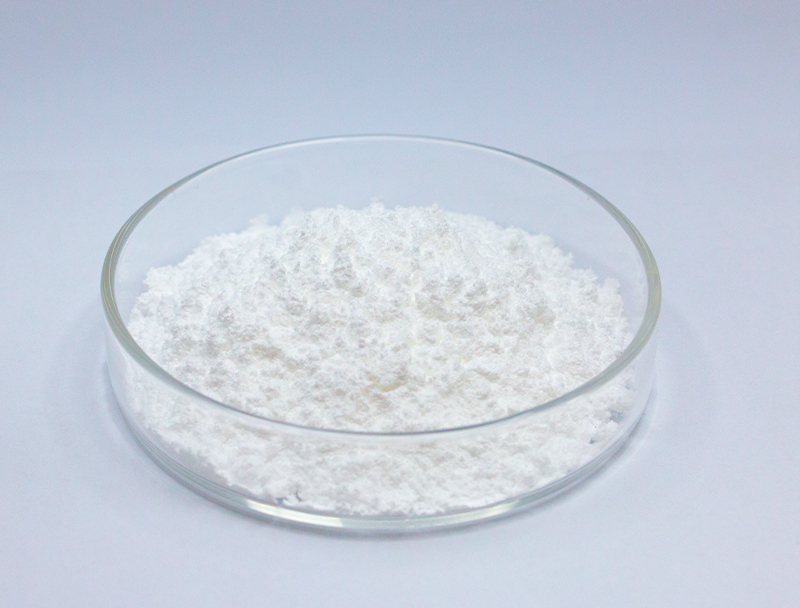
Plant-Derived Inputs for Next-Gen Bioplastics
Increasing interest in sustainable materials spurs innovation in renewable resource development. Using plant feedstocks to make bioplastics gives a promising direction for sustainable material development. Renewable inputs including cornstarch, cellulosic matter, and sugarcane biomass can be processed into biodegradable plastics that minimize long-term pollution.
Similarly, selected bioplastics offer analogous properties to traditional plastics suitable for many applications.. Persistent innovation will be key to advancing plant biomass into mainstream bioplastic manufacturing for a circular future.
Biotech's Role in Improving Global Health and Agricultural Resilience
Biotechnology equips researchers with methods to tackle health crises and bolster food availability. Through advancements in genetic engineering, synthetic biology, and cell therapies, biotechnologists are developing innovative solutions to combat infectious diseases, improve crop yields, and enhance nutritional value.. A concrete example includes modified crops engineered for pest and stress tolerance that yield more while decreasing pesticide needs. Moreover, biotechnology plays a crucial role in developing vaccines, antibiotics, and diagnostic tools that are essential for combating infectious diseases and improving global health outcomes.. As innovations mature, biotechnology can provide meaningful contributions toward global health and resilient food supplies for future generations.
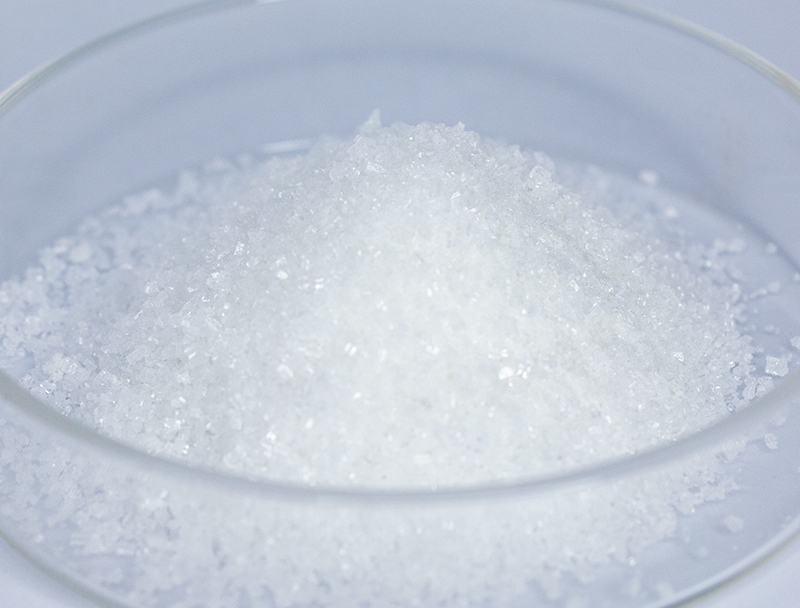 β-Nicotinamide Mononucleotide